Choosing new kitchen cabinets is one of the most important decisions in a kitchen remodel. Cabinets define the style of the room, shape the layout, and affect how the space works every day.
For Raleigh homeowners, the number of options can feel overwhelming. Some designs look modern and minimal. Others feel traditional, warm, or transitional. Color, material, layout, and storage all play a role in the final result.
The right kitchen cabinetry should match your design vision, support your daily routine, and make the kitchen easier to use. It should also fit the overall home style and long-term remodeling goals.
This guide explains how to choose perfect cabinets for your space, compare popular styles, and review the most important details before making a final decision.
How to Choose the Right Cabinet Style for Your Kitchen
Start With Your Design Direction
Cabinet style has a major impact on the look of the kitchen. Before choosing a door style or finish, think about the overall feeling you want.
A modern kitchen may need flat-panel cabinets, clean lines, and simple hardware. A classic kitchen may work better with shaker or raised panel doors. A transitional kitchen can combine simple cabinet shapes with warm finishes and elegant details.
Your cabinet design should support the full kitchen, not compete with it.
Compare Popular Cabinet Styles
Shaker cabinets are one of the most versatile choices. They work well in modern, traditional, and transitional spaces because the design is simple but not plain.
Flat-panel cabinets create a sleek and minimal look. They are a strong choice for homeowners who want clean lines and a more contemporary style.
Raised panel cabinets add more detail and depth. They often fit traditional homes or kitchens with a more formal appearance.
Choosing the right style depends on your home, your taste, and how long you want the design to feel current.
Consider Color and Finish
Cabinet color can make a kitchen feel larger, warmer, brighter, or more dramatic.
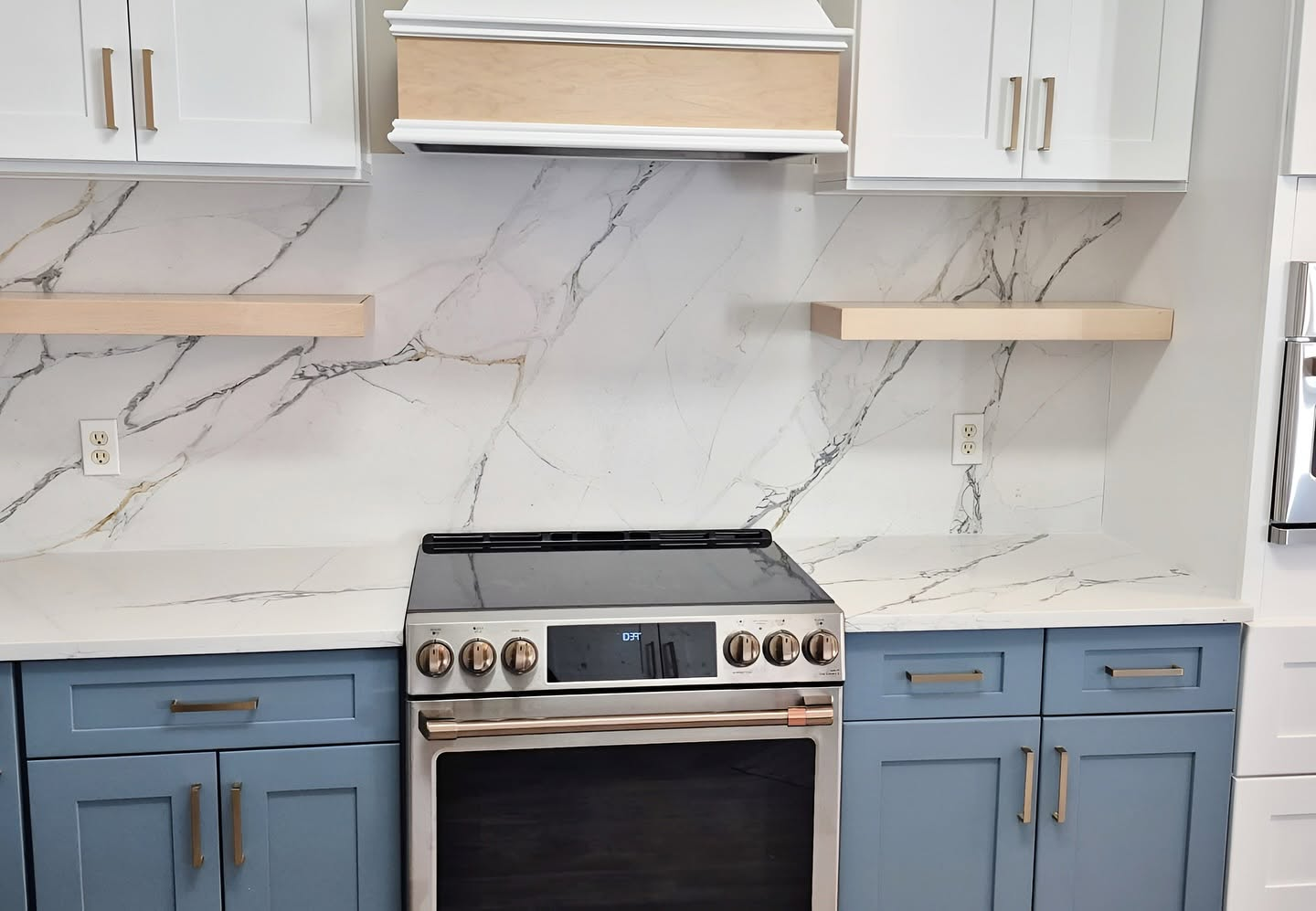
White and light neutral cabinets can open up a smaller room. Gray, navy, green, or wood finishes can add character and depth. Dark cabinets can create a bold look, especially when paired with lighter countertops and backsplash materials.
Always view cabinet samples in your actual lighting before making a final choice.
Coordinate With the Whole Kitchen
Cabinets should work with countertops, backsplash, flooring, lighting, and appliances.
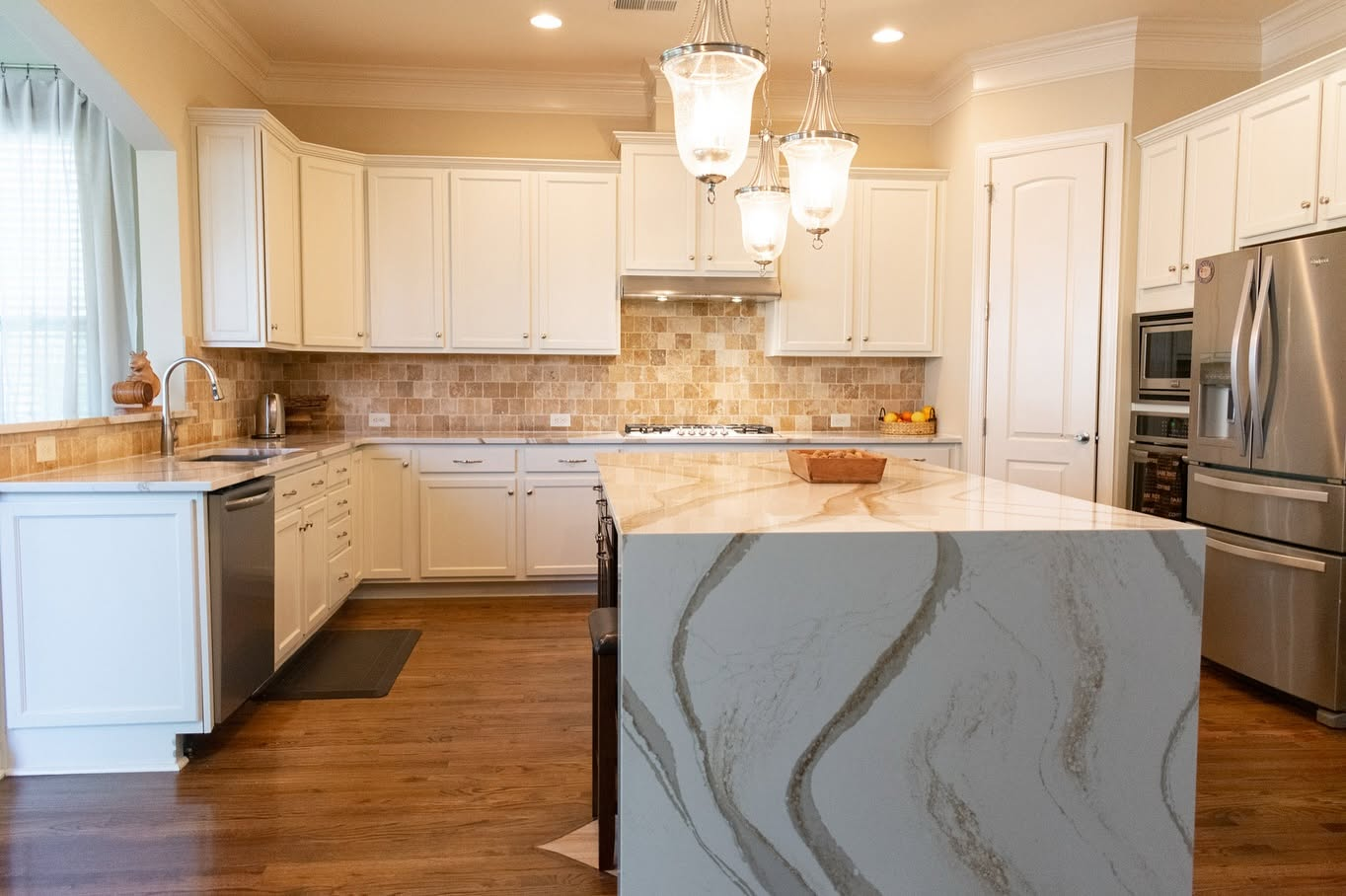
If your countertops have strong movement or bold veining, a simpler cabinet finish may help balance the room. If the countertops are subtle, the cabinets can carry more color or texture.
A cohesive kitchen design feels more intentional and easier to enjoy over time.
Best Cabinet Styles for Different Kitchen Layouts
Small Kitchens
Small kitchens often benefit from simple cabinet styles and lighter finishes.
Flat-panel cabinets or slim shaker doors can help the room feel more open. Light colors, minimal hardware, and smart vertical storage can also reduce visual clutter.
In a compact space, the best cabinet selection is usually clean, practical, and efficient.
Galley Kitchens
Galley kitchens need cabinets that improve flow and reduce crowding.
Simple door styles work well because the cabinets are close together on both sides. Tall upper cabinets can increase storage, while drawers can make lower cabinets easier to access.
A balanced layout helps the kitchen feel more comfortable during cooking and cleaning.
Open-Concept Kitchens
In open-concept spaces, cabinets need to look good from multiple angles.
Shaker cabinets are a strong choice because they feel classic without being too heavy. Two-tone designs can also work well, especially when the island has a different finish from the perimeter cabinets.
Open kitchens should feel connected to the living and dining areas.
Large Kitchens
Larger kitchens can support more detailed cabinet styles, deeper colors, and custom features.
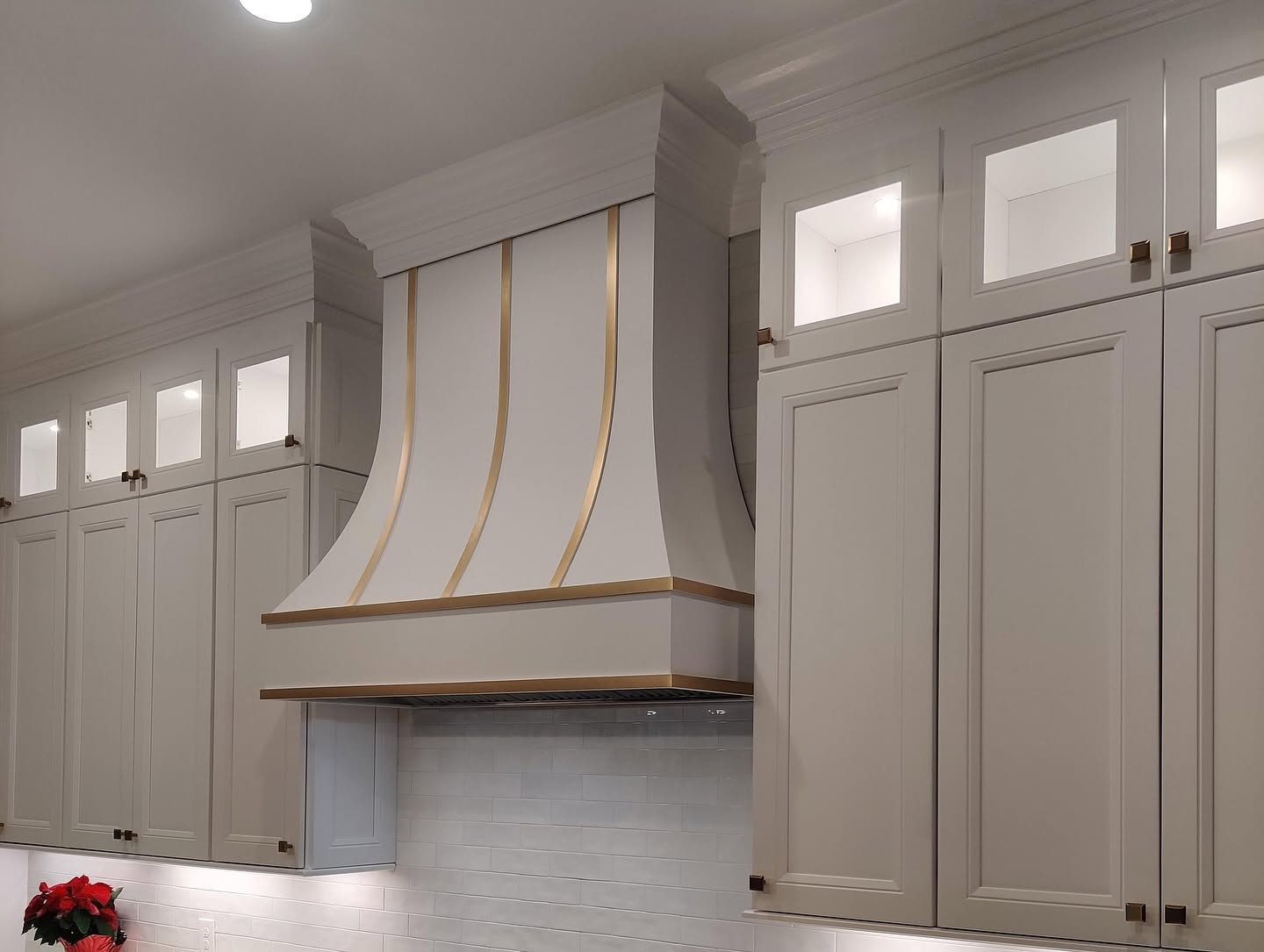
Raised panel cabinets, decorative glass doors, stacked upper cabinets, or a statement island can add visual interest. Larger spaces also allow more storage zones, such as pantry cabinets, appliance garages, and wide drawer banks.
The goal is to avoid empty or poorly planned areas by using the layout well.
Functionality and Storage Considerations
Think Beyond Appearance
Beautiful cabinets are important, but they also need to work well.
A kitchen should support cooking, cleaning, storage, and movement. If cabinets are hard to reach or poorly organized, the kitchen may still feel frustrating even if it looks good.
This is why function should be part of the design from the beginning.
Choose Drawers and Doors Carefully
Drawers are useful for pots, pans, utensils, and everyday items. They make it easier to see and reach what is inside.
Doors can work well for larger items, cleaning supplies, and vertical storage. A mix of drawers and doors often creates the best result.
The right combination depends on your cooking habits and the items you use most.
Add Smart Storage Features
Pull-out shelves, tray dividers, spice organizers, trash pull-outs, lazy Susans, and pantry systems can make a kitchen much easier to use.
These features help reduce clutter and make every cabinet inch more useful. They are especially helpful in corners, deep cabinets, and narrow spaces.
Good storage planning can make everyday routines smoother.
Review Cabinet Quality
Cabinet construction affects how long your cabinets will last.
Look at the box material, drawer strength, hinges, finish quality, and hardware. Strong construction can reduce problems like sagging doors, weak drawers, or worn finishes.
Quality cabinets are an investment in both appearance and performance.
Final Checklist Before Choosing Cabinets
Review Your Priorities
Before making a final choice, review your main goals.
Do you want more storage? A brighter kitchen? A more modern look? Better resale value? Easier daily use?
Your priorities should guide the final decision.
Confirm Measurements and Layout
Accurate measurements are essential.
Cabinet height, appliance openings, sink placement, island size, and walkway space all need to be checked before ordering. Small measurement mistakes can lead to costly delays.
A professional layout review can help prevent problems.
Check Samples in Real Lighting
Cabinet colors can change depending on natural and artificial light.
A finish that looks warm in a showroom may look cooler at home. A dark color may feel heavier in a kitchen with limited light.
Always compare samples with your countertops, backsplash, and flooring before final approval.
Set a Realistic Budget
Kitchen upgrades can include cabinets, hardware, countertops, backsplash, flooring, lighting, and installation.
Set a budget that includes both materials and labor. This helps avoid surprises and keeps the project on track.
The right cabinet company can help you compare options that fit your budget and goals.
Work With Cabinet Connect of Raleigh
Cabinet Connect of Raleigh helps homeowners choose cabinet styles, finishes, layouts, and storage features that fit their space.
The team provides cabinet services for homeowners who want practical guidance, quality products, and professional support through the remodeling process.
From material selection to installation planning, expert help can make the project smoother and more successful.
Contact Cabinet Connect of Raleigh to explore cabinet options, visit the showroom, or request a quote. With the right guidance, your new cabinets can improve style, storage, and everyday comfort in your kitchen.