Choosing new cabinets is one of the most important decisions in a kitchen update. Cabinets affect the whole room, from storage and layout to style and resale value.
Many homeowners now ask whether raised panel cabinets still look current in 2026. Kitchen trends change, but classic styles do not always disappear. Some designs simply need the right finish, hardware, and surrounding materials to feel fresh.
This guide explains what raised panel cabinets are, why they became popular, and how they compare with today’s cabinet trends. It will also help you decide whether this style fits your kitchen or if a cleaner option may work better.
Cabinet Connect of Raleigh helps homeowners compare cabinet styles, finishes, and layouts with confidence.
What Are Raised Panel Cabinets?
A Cabinet Door With Depth
Raised panel cabinets are defined by a center panel that sits slightly higher than the surrounding frame. This creates depth, shadow, and a more detailed appearance.
Raised panel doors are often used in traditional, classic, and formal kitchens. They add more visual detail than flat-panel doors or simple shaker designs.
This style is a good fit for homeowners who want cabinets with character and a more finished look.
Common Materials and Finishes
Raised panel cabinets can be made from solid wood, wood veneer, MDF, or other cabinet materials. The final look depends on the door construction, finish, paint color, and hardware.
Popular finishes include white, cream, stained wood, espresso, gray, and warm neutral tones. A painted finish can make the style feel lighter, while a dark stain can create a more traditional look.
The right finish helps the cabinet style match the rest of the kitchen.
How They Differ From Other Cabinet Styles
Raised panel doors have more detail than shaker-style cabinets or flat-panel designs. Shaker doors have a recessed center panel and a simpler frame. Flat-panel doors are smooth and minimal.
Frameless cabinets often feel more modern because they create cleaner lines and a more open cabinet appearance.
Raised panel designs feel more decorative, while flat-panel and shaker styles usually feel more streamlined.
Historical Popularity of Raised Panel Cabinets
A Traditional Kitchen Favorite
Raised panel cabinets became popular because they brought elegance and craftsmanship into the kitchen. For many years, they were seen as a sign of a well-finished home.
Their detailed look worked well with traditional trim, decorative hardware, crown molding, and rich wood tones.
This made them common in classic kitchens, larger homes, and remodels that focused on a warm, established style.
A High-End Look
Homeowners often chose raised panel styles because they felt more formal than simpler cabinet doors. The depth and detail added visual interest and made the kitchen feel more custom.
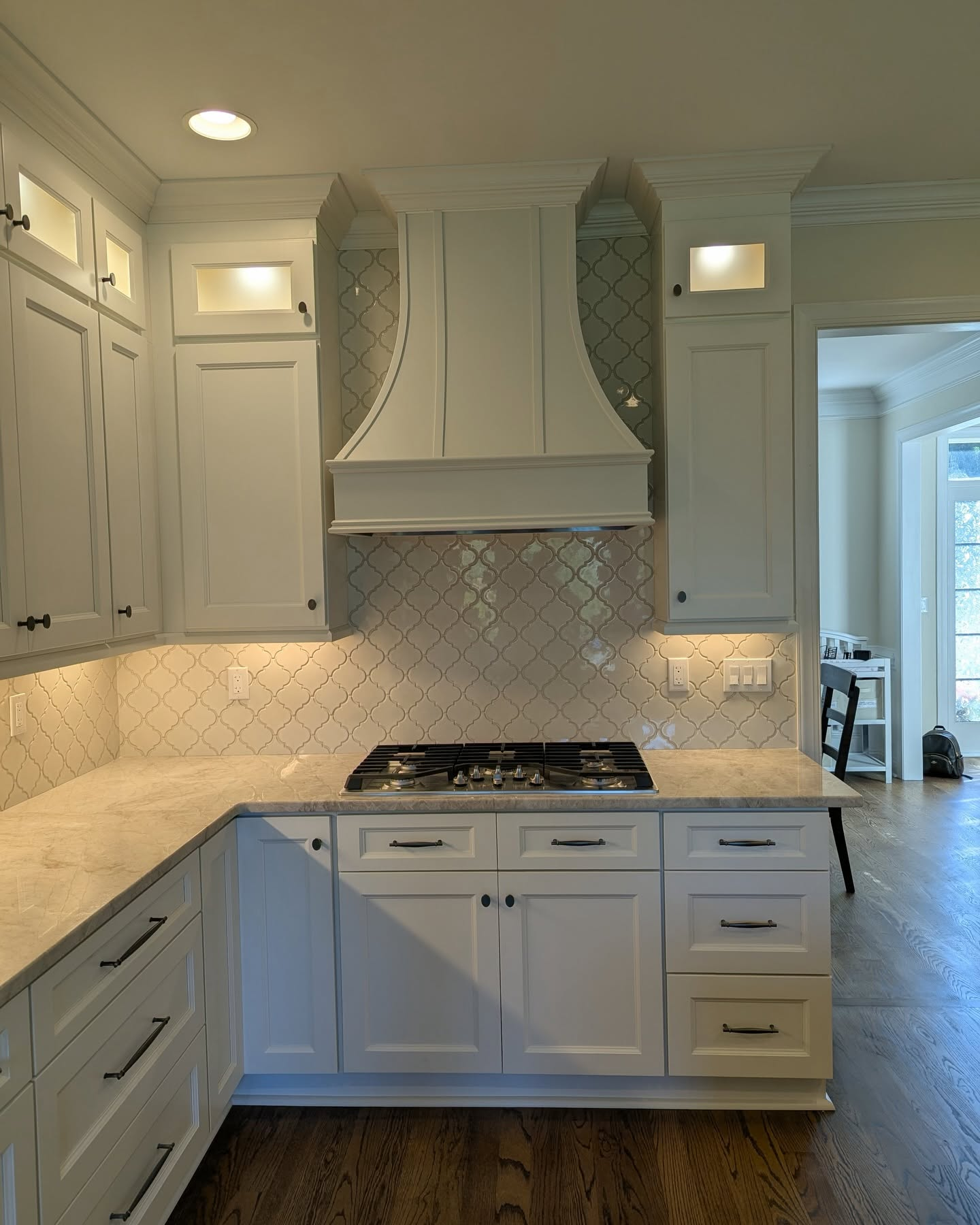
This style also worked well with stone countertops, tile backsplashes, and decorative lighting.
Even today, raised panel cabinets can still look elegant when they are used in the right design.
Why the Style Has Lasted
Some cabinet trends fade quickly, but raised panel styles have remained recognizable because they are tied to classic home design.
They may not be the most minimal or modern option, but they still have a place in homes that value detail, warmth, and traditional character.
The key is choosing the right color, hardware, and surrounding finishes.
Current Kitchen Cabinet Trends in 2026
Cleaner Cabinet Lines
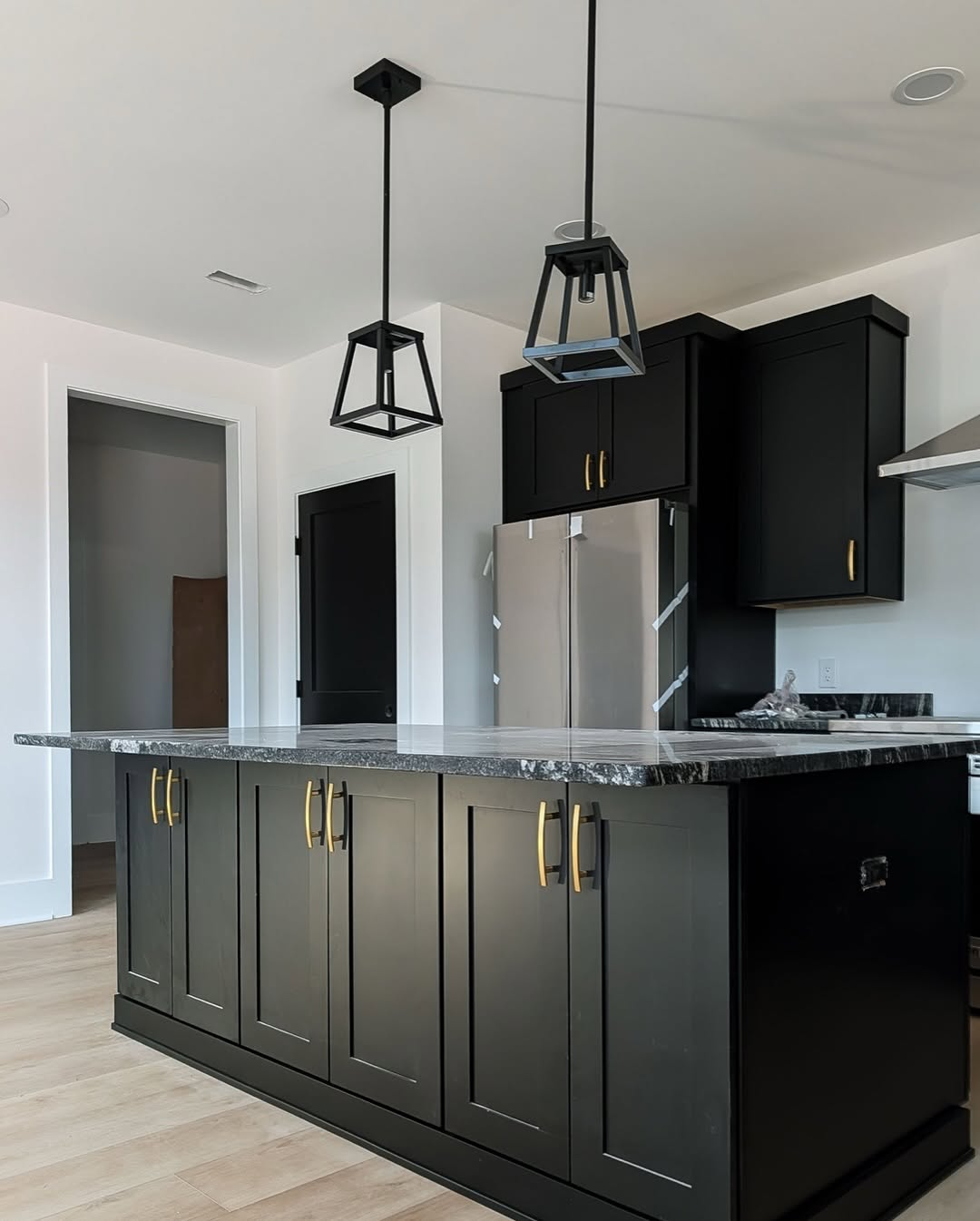
In 2026, many homeowners prefer cleaner cabinet styles. Simple lines, smooth finishes, and less ornamentation are popular.
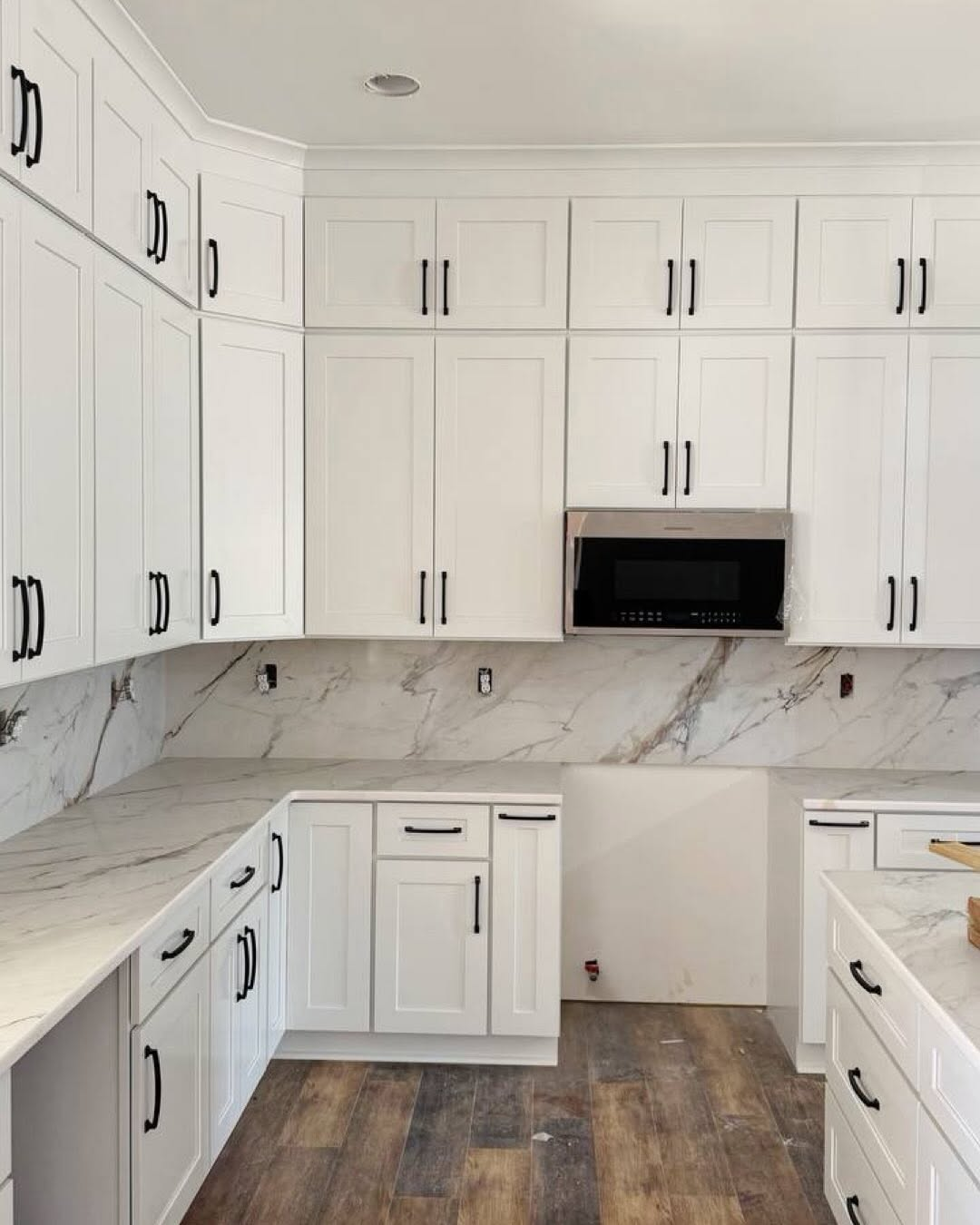
Shaker, slim shaker, and flat-panel doors are common because they feel fresh and flexible. They work well in both modern and transitional kitchens.
This does not mean raised panel styles are outdated in every home. It means they need to be used more carefully.
Light and Neutral Colors
White, cream, beige, warm gray, and natural wood tones remain popular in 2026. These colors help kitchens feel open, bright, and timeless.
Raised panel cabinets can still work well in light colors. White or soft cream finishes can reduce the heavy look that older stained cabinets sometimes have.
They also pair well with white countertops, soft backsplashes, and warm metal hardware.
Transitional Design
Transitional kitchens combine traditional and modern elements. This is where raised panel styles can still fit well.
For example, a raised panel door in a clean painted finish can work with simple hardware and a modern countertop.
This creates a balanced look that feels classic but not dated.
Functional Storage
Cabinet trends are not only about appearance. Homeowners also want better storage.
Pull-out shelves, deep drawers, built-in organizers, tray dividers, trash pull-outs, and smart pantry systems are all in demand.
This matters for both kitchen cabinets and bathroom cabinets because storage has become a major part of modern design.
Are Raised Panel Cabinets Still Stylish?
Yes, in the Right Kitchen
Raised panel cabinets can still be stylish in 2026 when they match the home’s architecture and overall design.
They work best in traditional, transitional, and elegant spaces. They may not be the best choice for very minimal or ultra-modern kitchens.
If your home already has classic details, raised panel cabinetry can feel natural and appropriate.
When They Can Look Outdated
Raised panel styles can look dated when paired with heavy dark finishes, ornate hardware, busy backsplashes, and older lighting.
Too many traditional details together can make the kitchen feel older than it is.
A refreshed color, simpler hardware, and cleaner countertops can help modernize the look.
How to Make Them Feel Current
To update raised panel cabinets, choose lighter finishes, simple pulls, clean countertops, and a balanced backsplash.
Avoid overly decorative details if you want a more current look. Keep the rest of the kitchen calm and polished.
This allows the cabinet detail to feel intentional instead of old-fashioned.
Why Choose Cabinet Connect
Cabinet Connect of Raleigh helps homeowners choose cabinets that fit their home, budget, and design goals.
The team can explain the differences between raised panel styles, shaker options, flat-panel designs, and custom cabinet features.
This makes the selection process easier and helps homeowners avoid design choices that may feel dated too quickly.
With the right planning, your cabinets can balance style, function, and lasting value.